- NEW
- SALE
- Spirit drinks
- Wines
- Wines
- Still wine
- Sparkling wine
- Non-alcoholic wine
- Fortified wine
- Champagnes
- Premium drinks
- Other drinks
- Gifts
- Bar essentials
- Gourmet

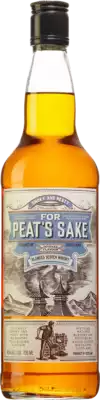
The word whiskey comes from the Gaelic word uisge, a shortened version of uisge beatha, meaning "water of life", also known as aqua vitae in Latin. Whiskey was originally used as medicine, both as an internal anesthetic and an external antibiotic. Distilling techniques were brought to Ireland and Scotland sometime between 1100 and 1300 by monks. Since wine was not readily available there, barley beer was distilled into an alcoholic beverage that became whiskey. The production of distilled spirits was limited to pharmacies and monasteries until the late 15th century. Whiskey made its way to North America with Irish and Scottish immigrants, and has also spread throughout the world.
American whiskeys have their own specialties. The same applies to Japanese whisky, where we recognize slightly more playful touches of flavors and aromas. We have to find out what suits our taste. The choice is varied, but we make our own decisions - there is no need to follow any general recommendations and opinions of others, we only have our own experience in mind, as the tastes of each individual are very different. The world of whiskeys is extremely varied, quality whiskey can be obtained from many reputable producers. Although Scotch and Irish whiskey stand out, today we also get quality drinks from other corners of the world.
Although different styles of whiskey use slightly different methods, they are all essentially made the same way. Whiskey begins just like beer with a mixture of grains - usually barley, corn, rye or wheat. Some, as in the case of barley, can also be malty. The grains are mixed with water and yeast for fermentation, which converts the starches into sugars that become alcohol. The beer is then run through a still – either a still or a continuous still – that heats the liquid into a concentrated vapor. This comes out the other side as a high resistance liquid distillate that is clear. Almost all whiskey is then aged in a barrel for at least a few years. This imparts oak and wood flavors, darkens the alcohol and softens the sharp alcohol. After being cask-fed, the whiskey is then blended with other casks or different styles of whiskey and often diluted to the point of bottling. Whiskey is usually bottled at 40 percent alcohol by volume or higher. Some cask strength undiluted whiskeys can reach 140 proof.


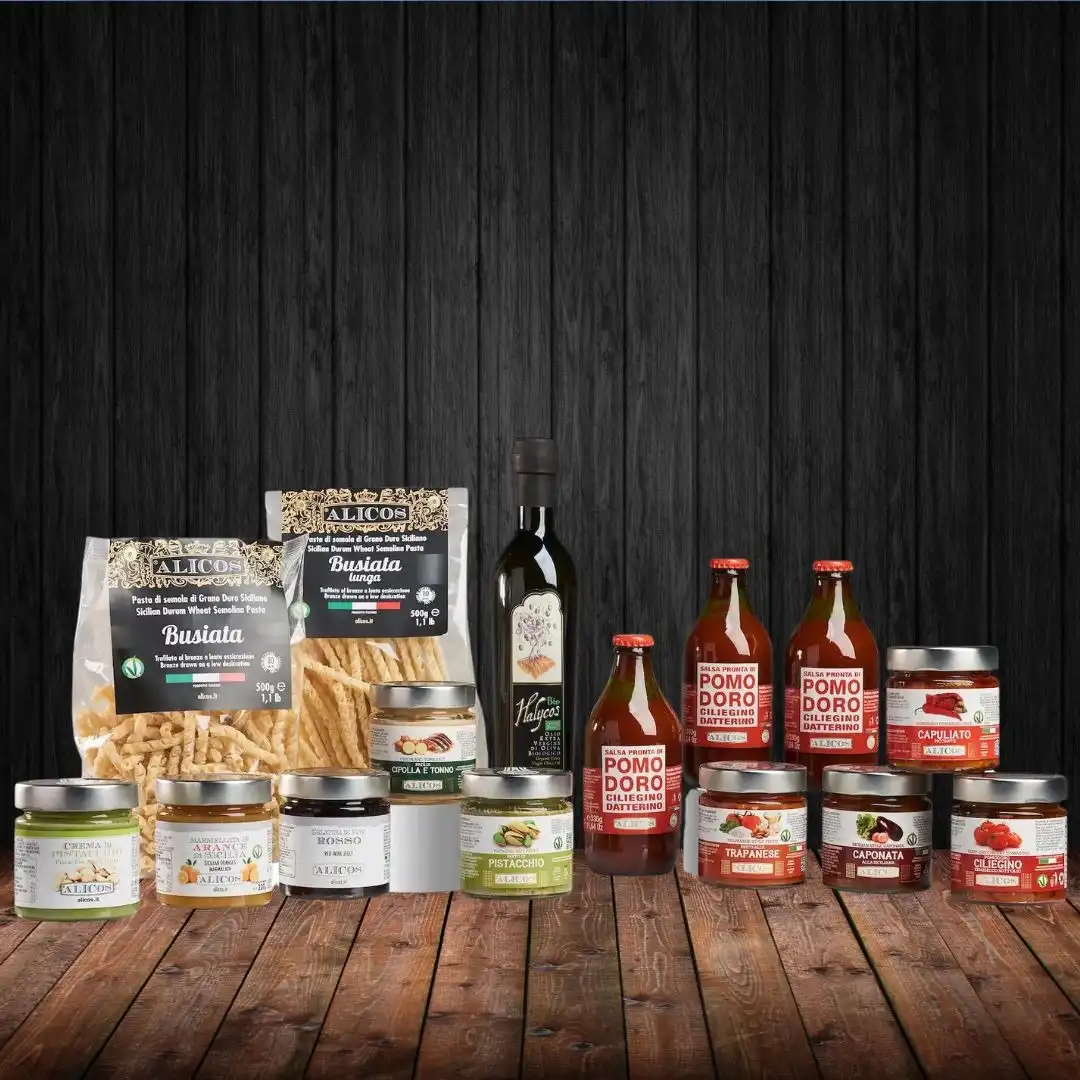
Check out the special vegan, gluten-free and organic products.
We have prepared a wide and varied one for you gift program for him or her!


Weekends and holidays: CLOSED
Contact
Company
Terms and conditions